Scientific Software

Scientific Reporting Frameworks

Reproducible reporting systems that turn analysis workflows into publication-ready scientific outputs.

Scientific problem Complex analyses often become disconnected files, figures, and tables that are hard to audit, reproduce, or turn into a coherent scientific story.
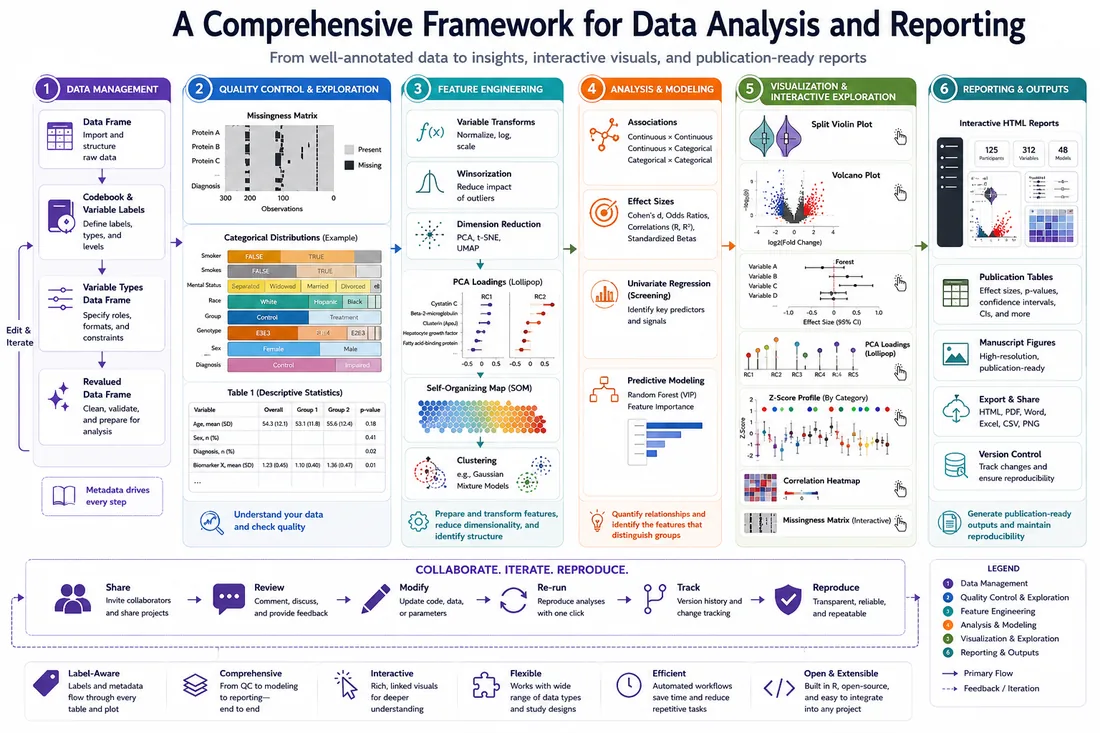
Comprehensive framework diagram for data analysis and reporting from data management through quality control, feature engineering, modeling, visualization, reporting, sharing, review, tracking, and reproducibility.
Why It Was Needed

Interdisciplinary research teams need reporting systems that carry metadata, quality control, modeling decisions, visualizations, tables, and outputs through one transparent workflow.

What It Enables

Scientific reporting frameworks turn computational analyses into reproducible reports, publication-ready figures and tables, interactive visuals, and exportable outputs.

Scientific reporting frameworks translate computational outputs into formats that collaborators can inspect, question, reuse, and extend.

Scientific Infrastructure

These frameworks sit between analysis code and scientific conversation. They connect data management, quality control, feature engineering, modeling, visualization, reporting, review, version control, and reproducibility in one analysis-to-output workflow.

Scientific Story

The work is grounded in a simple principle: data become knowledge when people can see them clearly enough to ask better questions.
Connected Threads

Related Publications
Publication preview for Development of a refined harmonization approach for longitudinal cognitive data in people with HIV
2025 article selected

Development of a refined harmonization approach for longitudinal cognitive data in people with HIV

Lang Lang, Leah H. Rubin, Raha M. Dastgheyb, David E. Vance, Scott L. Letendre, Donald R. Franklin Jr, Yanxun Xu

Journal of Clinical Epidemiology

This paper helps define a research thread in translational brain health research, providing context for how computational and translational evidence can be organized into reusable scientific systems.

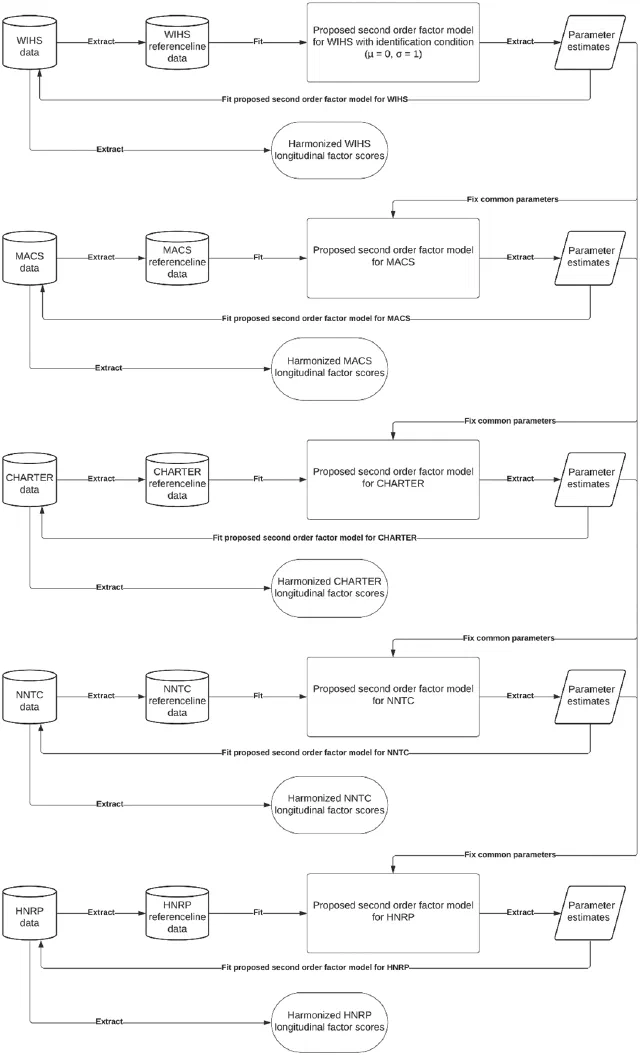
Figure from International application of an optimized harmonization approach for longitudinal cognitive data in people with HIV
2025 article selected

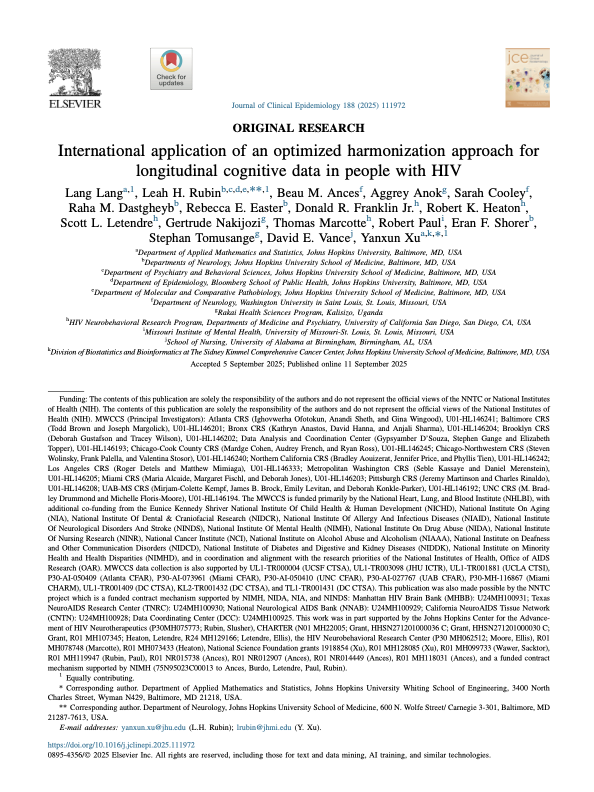
International application of an optimized harmonization approach for longitudinal cognitive data in people with HIV

Lang Lang, Leah H. Rubin, Beau M. Ances, Aggrey Anok, Sarah Cooley, Raha M. Dastgheyb, Rebecca E. Easter, Donald R. Franklin, Robert K. Heaton, Scott L. Letendre, Gertrude Nakijozi, Thomas Marcotte, Robert Paul, Eran F. Shorer, Stephan Tomusange, David E. Vance, Yanxun Xu

Journal of Clinical Epidemiology

This paper helps define a research thread in translational brain health research, providing context for how computational and translational evidence can be organized into reusable scientific systems.

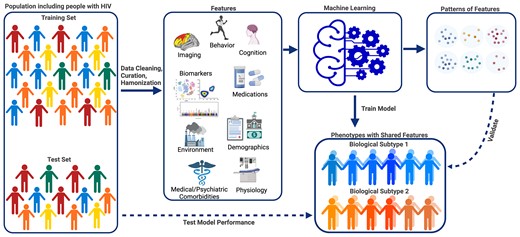
Figure from Machine learning approaches to understand cognitive phenotypes in people with HIV
2023 article highlighted

Machine learning approaches to understand cognitive phenotypes in people with HIV

Shibani S. Mukerji, Kalen J. Petersen, Kilian M. Pohl, Raha M. Dastgheyb, Howard S. Fox, Robert M. Bilder, Marie-Josée Brouillette, Alden L. Gross, Lori A. J. Scott-Sheldon, Robert H. Paul, Dana Gabuzda

The Journal of infectious diseases

Frames machine learning as a tool for discovering cognitive biotypes in people with HIV.