Scientific Software

SciDataReportR

An open-source framework for reproducible biomedical data analysis and reporting.

Scientific problem Modern biomedical studies can generate thousands of clinical, imaging, molecular, and omics measurements, but complex analyses often produce fragile reports, manual tables, and hard-to-audit outputs.
Why It Was Needed

Translational teams need a way to move from data cleaning, quality control, and metadata checks to publication-ready figures, statistical summaries, biomarker analysis, and dynamic reports without rebuilding the same reporting scaffold for every project.

What It Enables

SciDataReportR makes hypothesis-led and hypothesis-generating projects easier to audit, rerun, share, and explain across clinical, computational, and laboratory collaborators.

SciDataReportR is reproducible reporting infrastructure: an open-source framework for turning complex biomedical data analyses into consistent, inspectable research outputs.

Scientific Infrastructure

The package is designed around the recurring needs of translational data science: metadata checks, quality control, transparent analysis summaries, figure generation, table generation, statistical workflows, dimensionality reduction, clustering, biomarker analysis, and dynamic reporting that can be rerun as projects evolve.

Scientific Story

The larger goal is to reduce the distance between exploratory analysis and defensible scientific communication. When reports are generated from reusable code rather than assembled by hand, collaborators can inspect how a result was produced and researchers can return to earlier decisions without losing provenance.

SciDataReportR sits at the center of a broader ecosystem for reproducible biomedical data science. ProteomicsReportR, MetabolomicsReportR, and MultiPlexReportR translate domain-specific methods into reusable reports, while SciDataAgent is being developed as a human-in-the-loop AI reasoning layer that helps scientists explore data, ask better questions, and preserve scientific rigor.
Connected Threads

Capabilities

Interactive reports

Dynamic reports package exploratory and confirmatory analyses into inspectable outputs that collaborators can revisit as data evolve.

Metadata awareness and quality control

Study metadata, variable dictionaries, missingness, distributions, outliers, and quality-control summaries are treated as part of the analytic record.

Statistical workflows

Reusable templates support transparent statistical summaries, group comparisons, modeling, and publication-ready tables.

Dimensionality reduction and clustering

Machine learning workflows help identify latent structure, disease subtypes, and interpretable phenotypes in high-dimensional biomedical data.

Biomarker and multi-omics analysis

The framework supports biomarker discovery across clinical, molecular, proteomic, metabolomic, imaging, and behavioral measurements.

Reproducible scientific reasoning

Reports preserve assumptions, code, outputs, and interpretation so scientific judgment remains transparent.

Related Publications
Screenshots and reports

Report screenshots and example workflows can be added as project-specific outputs become ready for public release.

Documentation

Documentation links should point to the public package site or GitHub documentation once the preferred release location is final.

Publications using the software

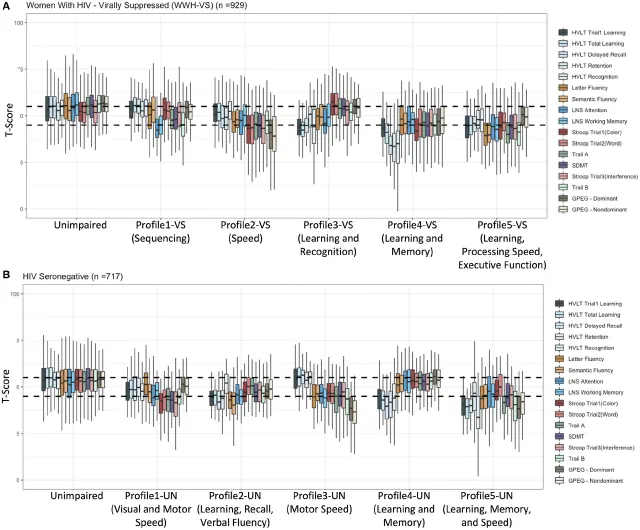
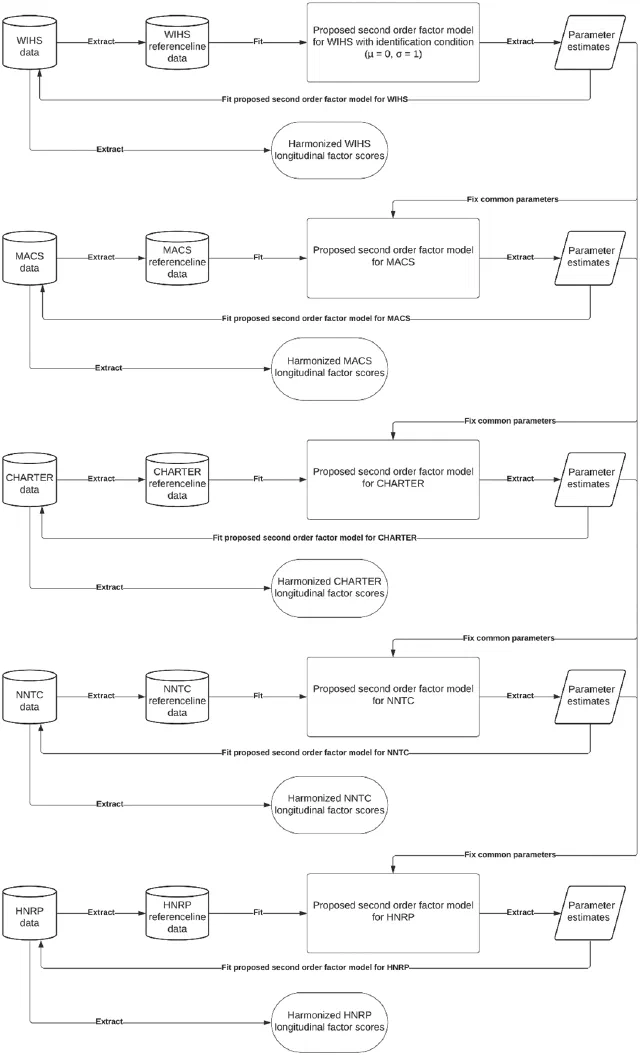
Related publications below show the scientific workflows and cohort analyses this reporting infrastructure is designed to support.